2. Neighbourhood Governance in Jakarta: How ‘Kerja Bakti’ Keeps Streets Running
- README
- 1. Living With Jakarta’s Floods: Nights in the North
- 2. Neighbourhood Governance in Jakarta: How ‘Kerja Bakti’ Keeps Streets Running
- 3. Street Clubs of Jakarta: ‘The Base’ and the Bonds That Shield the Young
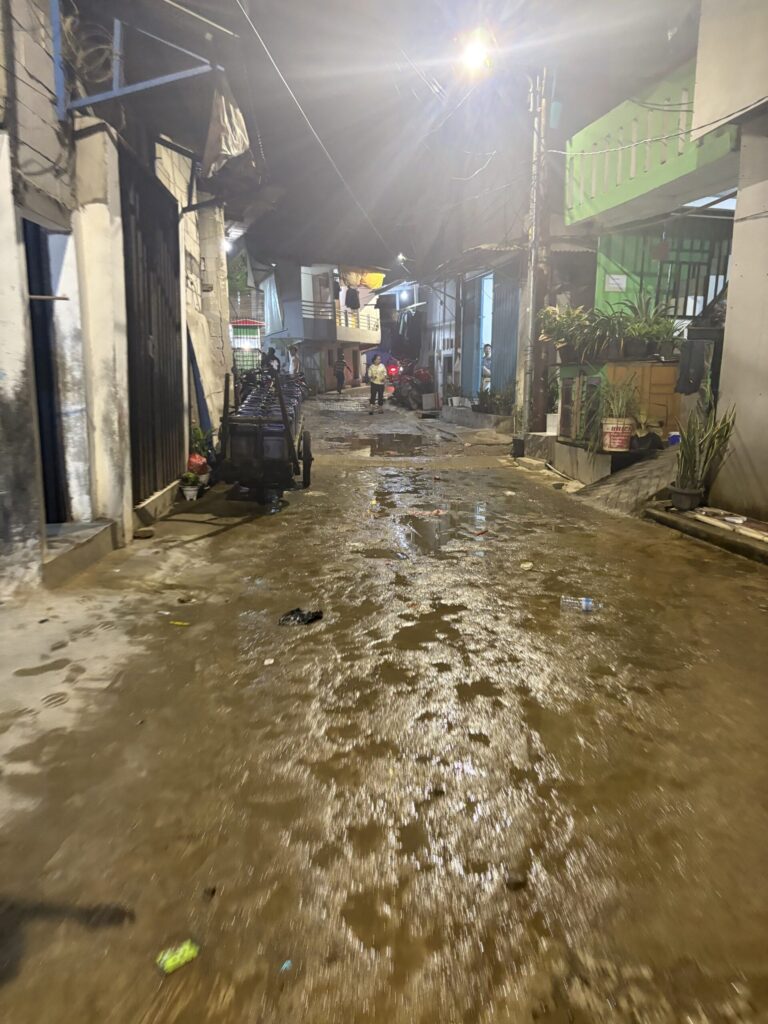
Table of Contents
ToggleIntroduction
The streets of North Jakarta are remarkably clean. Not pristine, not polished, but far cleaner than you’d expect for neighbourhoods that flood chest-deep at night and sit far from the priorities of state infrastructure.
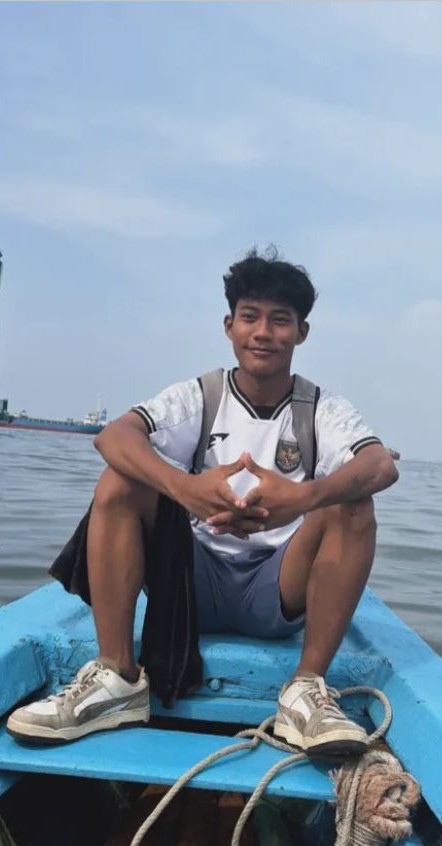
“Who cleans this?” I asked Jarr, my local guide, as we passed dry, swept concrete lanes bordered by flooded alleys and houses on stilts.
“RT,” he replied. “And kerja bakti.”
RT: Leading From Within
In North Jakarta, real governance begins not at city hall, but among the neighbours themselves.
Every neighbourhood here has what’s called an RT: a hyperlocal leader chosen by community vote. The title comes from “Rukun Tetangga,” meaning “Neighbourhood Association.” Elections are held every five years, and candidates are usually respected elders or men active in resolving small-scale disputes, organising neighbourhood work, or simply keeping the peace. (Jakarta moved from 3-year to 5-year terms in 2022).
“We call it, rumah gotong royong dan rukun warga,” Jarr told me. “Rukun means good. They are trying to make society good.”
The RT’s responsibilities are practical: when trash piles up, when violence breaks out, when drains clog or minor repairs are needed, they act. They are, at heart, neighbours who have stepped forward; the title is official but lightly stipend and carries little bureaucracy behind it. And yet, the system works.
Kerja Bakti: Ritualised Responsibility
The real magic lies in the practice of kerja bakti—a collective tradition of neighbourhood upkeep. It’s not outsourced. It’s not optional. Usually each week, every household is expected to send one male to join a communal clean-up.
“Aps has a schedule,” Jarr said in a video we filmed near one of the lanes. “If he can’t go, someone else in his house has to. Everyone has to do it.” (Note: this applies specifically, to males from each respective household).
They sweep, clear trash, scrub walls, maintain drains. It’s an unwritten civic duty, grounded in social expectation more than enforcement.
“We call it kerja bakti,” Jarr explained. “It means working together with our neighbourhood to take care of our stuff, making it as safe as possible and that the energy is good.”
Funding the Leaders
Interviewing Jarr further, I learned that RT heads are not full-time city employees. They can be compensated informally through pooled contributions from the local residents. It’s a system of trust and practicality. The leaders often work side jobs to make ends meet. (They are volunteers but receive a modest city allowance (about IDR 2 million a month in Jakarta ≈ USD 130), often topped up by residents for specific tasks).
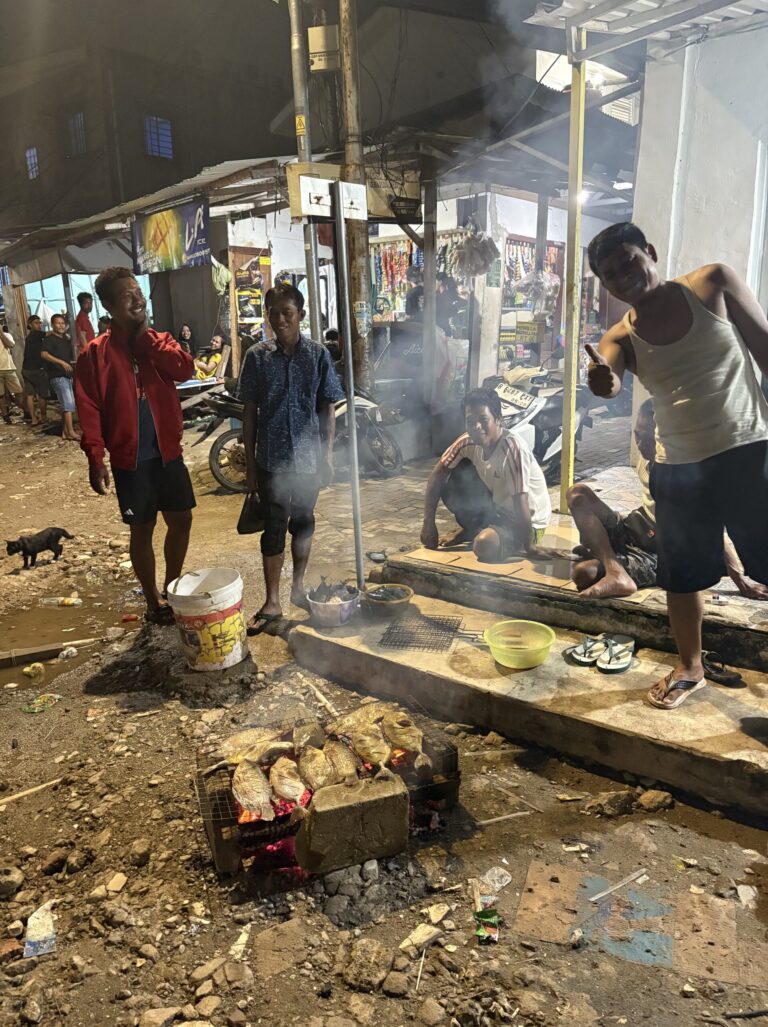
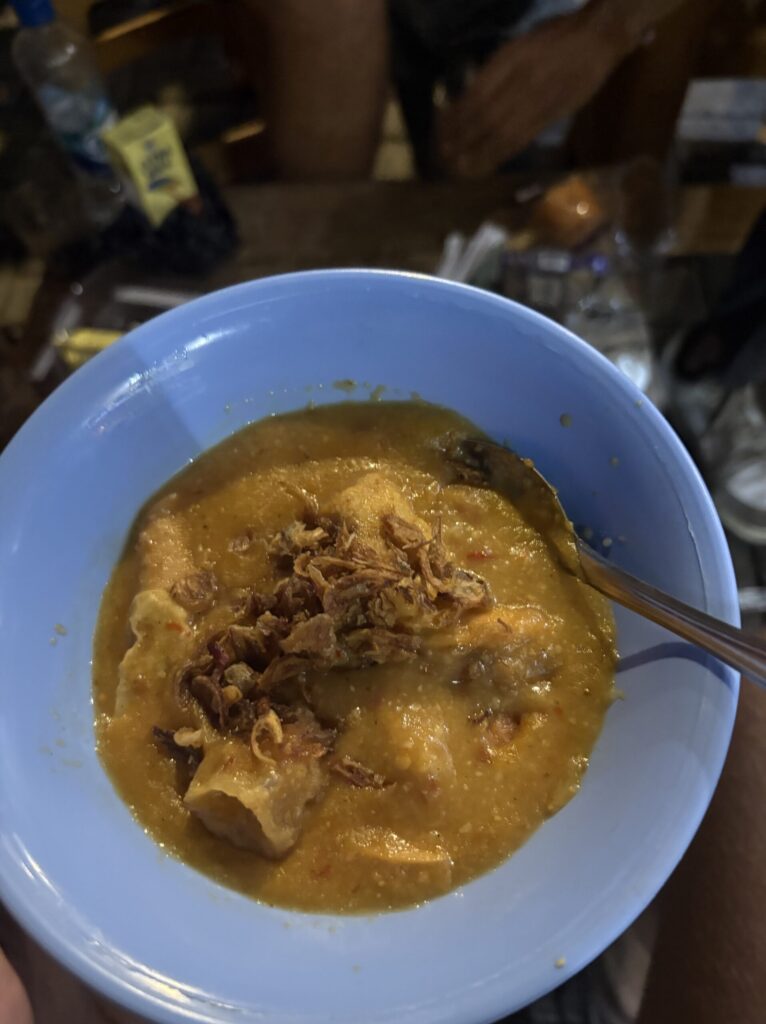
“The community helps pay the local leader,” Jarr said. “But they might also have their own business.” For example, Mr Alwi, whom I’ll expand on next, runs a small food stall—his wife and daughter served us seblak and coffee there the night we first arrived in North Jakarta.
This adds another layer of precarity to an already delicate structure. If a neighbourhood can’t afford to support its RT, the position could become a financial burden.
Mr. Alwi: Voice of Grounded Critique
Mr. Alwi, the RT in one of the flooded districts we visited, was among the most insightful figures I met. He spoke candidly about Jakarta’s macroeconomic direction.
“Rather than spending billions on a new capital,” he told me, “They could increase the wages of people working just to survive another day.”
Mr. Alwi sees the RT system as a lifeline, but also as a symptom. It’s there because larger systems have failed to reach far enough. He believes national leadership should focus less on relocating government buildings and more on reinforcing the bottom rungs of society.
“The government should care more about the people,” he said, “not just the average, but those below average, than make a complicated issue of moving the capital.”
Jakarta’s Unofficial Backbone
Jakarta’s flood mitigation projects—the Japanese/Dutch-backed NCICD sea wall, the ongoing construction in Nusantara—have dominated the headlines. But in the neighbourhoods where floods are lived, not modelled, it is the RTs and kerja bakti crews who are holding things together.
There are no ribbon-cutting ceremonies for trash collection. No press conferences for fixing a drain. But these are the functions that keep streets walkable, homes dry (or at least less wet), and communities cohesive.
In North Jakarta, the street stays clean not because the government demands it, but because the people agreed that it should.
[END PART 2]
Next: Inside Jakarta’s hidden youth clubs and the street bonds that replace broken systems.
During my recent visit to Jakarta, I had the amazing opportunity to explore the city’s authentic side with @explorewithjarrr on Instagram. They offer an incredible walking tour that not only shows you the hidden gems of Jakarta but also provides insights into local culture and history. Whether you’re looking for a free walking tour with tips or a private tour tailored for your group, Jarrr and their team have got you covered. They’re passionate about sharing Jakarta’s most genuine experiences and are open to collaborating with creators from around the world. If you’re planning a trip to Jakarta and want to document the city’s true essence, I highly recommend reaching out to ‘Explore with Jarrr.’ You won’t be disappointed!
WhatsApp number: +62 896-4927-9933 Instagram: @explorewithjarrr
Please Note: The stories and communities featured in this six-part series are not part of the walking tour experience offered by Explore with Jarrr. This fieldwork was conducted independently with full consent and outside the scope of any public tour.